Practical Metalwork For Commercial Sites
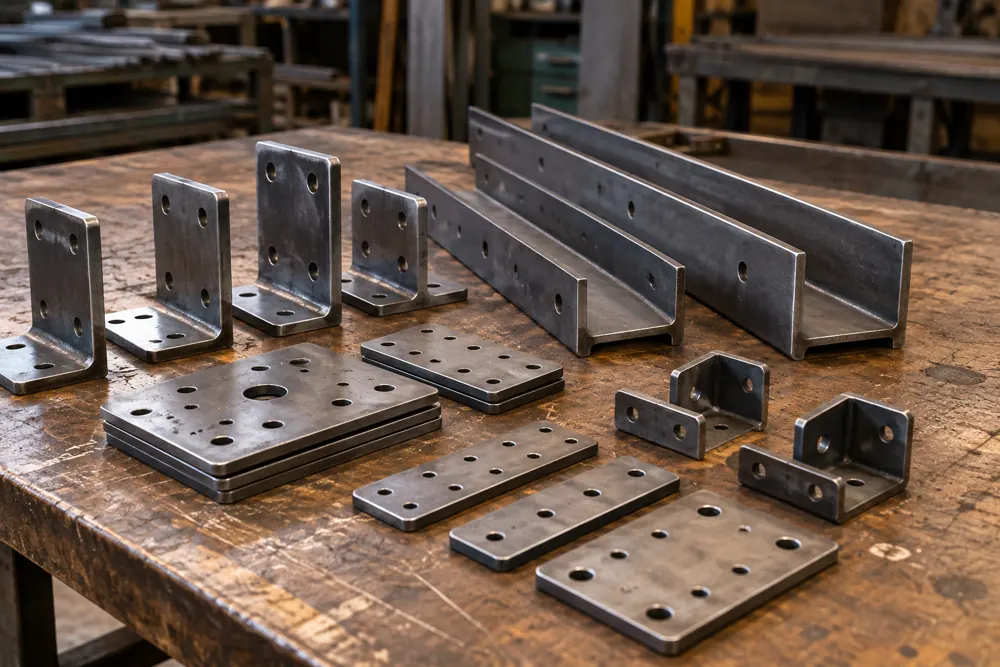
General metal fabrication covers the small assemblies that make larger systems work. Mounting brackets, support frames, protective covers, equipment bases and replacement plates can all require a different combination of cutting, drilling, folding and welding. The right process follows the job rather than a preference for one workshop technique.
A maintenance team may need a replacement for an unavailable part. A contractor may need a run of identical brackets for a fit-out. Tell us what the part connects to and what failure would mean, since an apparently simple plate may be carrying a significant load or performing a safety function.
Choosing A Material For The Environment
Material selection starts with loading, exposure and the required life of the component. Mild steel may be appropriate for a coated internal frame, while a wet or chemically exposed setting may call for a different specification. For Northampton workshop components in stainless steel or aluminium, specify a grade suited to the loading and exposure.
Do not assume that a shiny surface confirms the material or that a heavier section is always a suitable replacement. The designer should consider corrosion, stiffness, joint details and compatibility with adjoining materials. We use the agreed specification to define the manufacturing and finishing scope.
Measure The Interfaces First
A useful component drawing identifies overall dimensions, hole centres, fixing sizes and reference faces. Where a frame fits between existing columns or machinery, record the available clearance and any obstructions along the installation route. An accurate part can still be unusable if it cannot pass through the access opening.
Photographs help explain context but should not be used to scale critical dimensions. If the part is taken from an existing assembly, explain which surfaces locate it and which are simply cosmetic. Agree who checks the final dimensions before material is cut.
Fabrication And Inspection Sequence
The work begins with a review of the drawing, material and quantity. Components are cut and prepared, then drilled, formed or assembled as required. Fit-up checks help catch dimensional problems before permanent joining, with the inspection scope set by the function of the part.
A repeat batch may benefit from an agreed first-off component. That review should check the features that govern assembly, rather than appearance alone. Record the approval and retain the agreed revision so subsequent parts are manufactured to the same requirement.
Safety Responsibilities And Specialist Uses
Fabricated metalwork used as work equipment needs to be assessed for its intended role. PUWER addresses the suitability and safe use of workplace equipment, including guarding and maintenance. The organisation responsible for the equipment needs to check how a new component affects the complete system.
Load-bearing building components require structural design and an appropriate execution specification. Lifting accessories, pressure equipment and safety-critical machinery parts need separate technical review. Flag those applications at the beginning so a general metalwork quote is not mistaken for approval of the finished installation.
Finishing And Quotation Boundaries
Protective treatment should suit the conditions the component will face. State whether the part is internal, external, exposed to washdown or installed beside a heat source. Explain where threaded holes, sliding surfaces or electrical contact points must remain free of coating.
The price depends on material, thickness, machining detail, assembly time and quantity. Transport, installation and removal of the old part should be listed separately where relevant. For a useful quotation, send the current drawing, site location and programme, then identify any inspection records or material certificates required by your purchasing specification.
Your Questions Answered
Can Metal Fabrication Replace An Obsolete Part?
Metal fabrication may provide a replacement for an obsolete component when its material, dimensions and function can be established. A worn sample alone may not contain enough information. For load-bearing or safety-related parts, the responsible designer needs to confirm that the replacement specification remains suitable for the complete assembly and its operating conditions.
Which Metals Can Be Specified For A Fabrication?
Metal fabrication enquiries can specify mild steel, stainless steel or aluminium where suitable for the application. Availability and the proposed manufacturing route need checking against the grade, thickness and quantity. Describe the environment and function alongside the material request, because finish, corrosion behaviour and the way parts connect can be as important as appearance.
Technical References
Read the relevant HSE work equipment guidance, structural steel conformity guidance and Approved Document K. The project designer should confirm which requirements apply to the work.